
Ray Ray's Hog Pit Files for Chapter 11: A Sign of the Times for the Restaurant Industry?
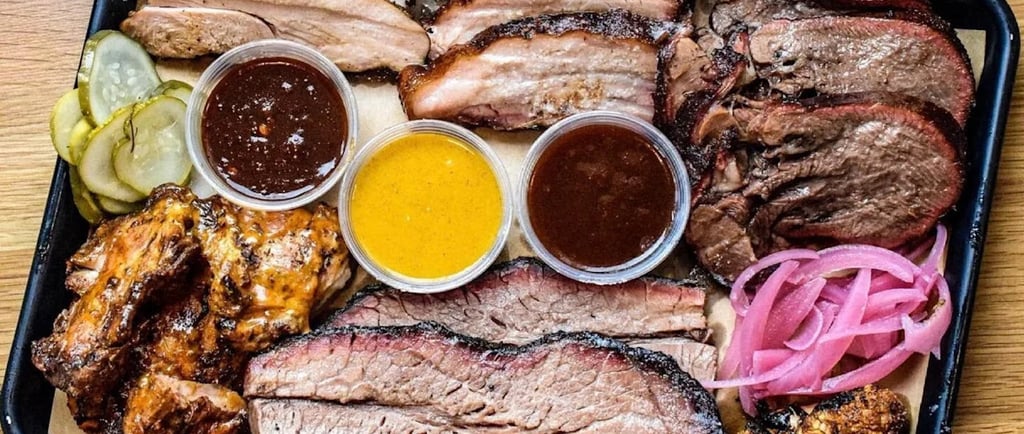
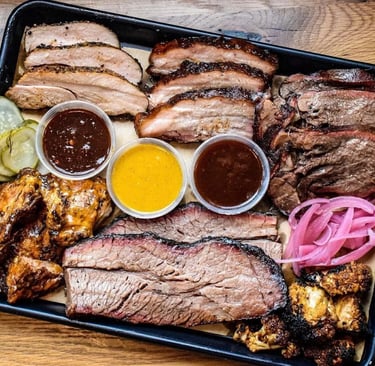
Ray Ray's Hog Pit, a Columbus, Ohio-based barbecue chain known for its slow-smoked meats and traditional techniques, has filed for Chapter 11 bankruptcy in the Ohio Southern Bankruptcy Court. This development marks another significant challenge for the restaurant industry, already grappling with a multitude of economic pressures.
BUSINESS AND FINANCE
Hashitha
12/22/20252 min read
Ray Ray's Hog Pit Files for Chapter 11: A Sign of the Times for the Restaurant Industry?
Ray Ray's Hog Pit, a Columbus, Ohio-based barbecue chain known for its slow-smoked meats and traditional techniques, has filed for Chapter 11 bankruptcy in the Ohio Southern Bankruptcy Court. This development marks another significant challenge for the restaurant industry, already grappling with a multitude of economic pressures.
Founded in 2009 by chef James Anderson, Ray Ray's Hog Pit began as a humble food truck, eventually expanding to seven locations across Central Ohio. The brand gained national recognition after being featured on Guy Fieri's "Diners, Drive-Ins and Dives" in 2017, a testament to its quality and unique approach to barbecue. However, despite its popularity and accolades, the company recently closed three locations in November, signaling underlying financial difficulties.
In a statement released at the time of the closures, Ray Ray's Hog Pit expressed a desire to "refocus on what we do best," concentrating their efforts on their remaining Columbus and Granville locations. This move was presented as a strategic decision to enhance the customer experience and maintain the high standards the brand was known for. Yet, the subsequent Chapter 11 filing reveals a more complex reality.
The company's Chapter 11 petition lists assets of approximately $265,000 and liabilities totaling $1.26 million, highlighting the significant financial strain it faces. Ray Ray's Hog Pit joins a growing list of restaurant chains that have filed for bankruptcy this year, including Hooters, Pieology, Pinstripes, Iron Hill Brewery, Razzoo's Cajun Café, On the Border, Abuelo's, Planta, Bertucci's, and fellow barbecue chain Sticky Fingers. This trend underscores the increasing vulnerability of the restaurant sector in the current economic climate.
Several factors contribute to the challenges faced by restaurants. Rising food costs, driven by inflation and supply chain disruptions, have significantly impacted profitability. Labor shortages have forced restaurants to increase wages to attract and retain employees, further squeezing margins. Additionally, changing consumer preferences and increased competition from delivery services and meal kit companies add to the pressure.
The increase in bankruptcy filings across various sectors, as reported by the Administrative Office of the U.S. Courts (a 10.6% increase in the 12-month period ending Sept. 30), suggests a broader economic slowdown that is disproportionately affecting industries with already thin profit margins.
The case of Ray Ray's Hog Pit serves as a cautionary tale for restaurant owners and investors alike. While a strong brand and positive reputation are valuable assets, they are not always enough to overcome the significant economic headwinds currently impacting the industry. Restaurants must adapt to changing market conditions, embrace innovative strategies, and carefully manage their finances to ensure long-term sustainability. The future of the restaurant industry will likely be shaped by those who can successfully navigate these challenges and emerge stronger and more resilient.
Address
No 23 Mudungoda,Hurigaswawa
Contacts
+94 0761622379
hashithajagath4@gmail.com